For a long time, genetics was thought to be a fixed blueprint: your DNA determined everything about you, from eye color to disease risk, and nothing in the environment could change that code. However, modern science has reshaped this view dramatically. We now understand that while DNA sequences remain largely stable, the way genes are expressed—turned “on” or “off”—can be heavily influenced by external factors such as diet, stress, toxins, physical activity, and even social environment. This dynamic layer of gene regulation is known as epigenetics, and it reveals a powerful truth: your environment can… Read More »How Environment Shapes Gene Expression
Animal Evolution
While sloths’ sluggish pace might appear to be an evolutionary weakness, it’s actually a key to their survival. These slow-moving creatures require minimal food, and their lean, bony frames make them an unappealing target for most predators. This rare combination of traits has ensured their survival for thousands of years. The Detailed Explanation Millions of years ago, sloths looked quite different. Instead of the small, tree-dwelling animals we see today, there were enormous ground sloths that roamed across North, Central, and South America. Among them was Megatherium, a ground sloth species that could grow up… Read More »Why Haven’t Sloths Gone Extinct?
Why Haven’t Sloths Gone Extinct?
The vast expanse of Earth’s oceans holds countless wonders, but perhaps none are as captivating as the creatures that inhabit its darkest depths. Far below the sun-dappled surface, in a realm of perpetual darkness and crushing pressure, life thrives in ways that challenge our understanding of biological adaptation. This article delves into the fascinating world of deep-sea creatures, exploring their remarkable adaptations and the unique environment they call home.
Read More »The Extraordinary Adaptations of Deep-Sea CreaturesThe Extraordinary Adaptations of Deep-Sea Creatures
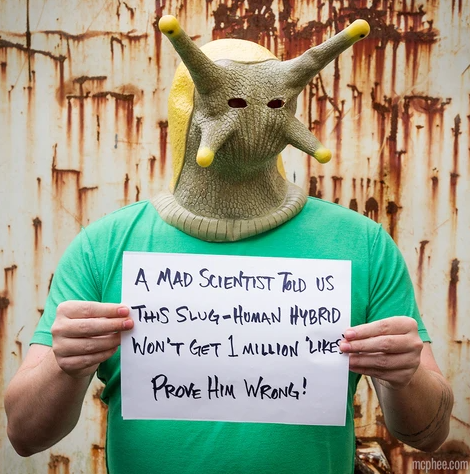
For thousands of years, humans and slugs have had a complicated relationship. Recently beginning to question an old assumption, scientists are now realizing that perhaps it’s the slime itself that has been antagonizing our species. The study of invertebrates has revealed some surprising findings when it comes to how these creatures move their tiny limbs, wiggle their worm-like bodies, and digest things we would probably consider disgusting. Interestingly enough, humans aren’t all too dissimilar in these bodily capabilities. In an effort to better understand how the slime creates these effects, scientists at the University of… Read More »What Humans and Slugs Have in Common?